The UAE Gaming Regulatory Revolution, How the GCGRA Changed Everything
A Historic Shift in Gulf Gaming Policy
In September 2023, the United Arab Emirates made history by becoming the first Gulf Cooperation Council (GCC) country to establish a comprehensive federal framework for legalized gambling. This watershed moment came with the creation of the General Commercial Gaming Regulatory Authority (GCGRA), marking a dramatic departure from decades of prohibition and signaling the UAE’s commitment to economic diversification and tourism expansion.
For decades, gambling remained strictly prohibited across the Arabian Peninsula under both Islamic law and national legislation. The UAE’s Penal Code Articles 460-461 explicitly criminalized gambling activities, with severe penalties for both operators and participants. Yet in 2023, the federal government recognized that a regulated gaming industry could serve as a powerful economic catalyst while maintaining appropriate controls and social safeguards.
This article explores the establishment of the GCGRA, its leadership, mandate, regulatory framework, and what this revolutionary change means for the UAE’s economic future.
The Birth of the GCGRA: September 2023
Federal Decree and Legal Authority
The General Commercial Gaming Regulatory Authority was established through federal decree in September 2023 as an independent executive authority with exclusive jurisdiction over all commercial gaming activities in the United Arab Emirates. Headquartered in Abu Dhabi, the GCGRA operates at the federal level while respecting the autonomy of individual emirates to approve or deny gaming operations within their territories.
This dual-level approach reflects the UAE’s unique federal structure, where seven emirates maintain significant local authority while operating under a unified national framework. The GCGRA provides federal licensing and regulation, but each emirate Abu Dhabi, Dubai, Sharjah, Ajman, Umm Al Quwain, Fujairah, and Ras Al Khaimah retains the right to welcome or prohibit gaming within its borders.
Leadership: World-Class Gaming Expertise
The UAE government demonstrated its seriousness about building a world-class gaming industry by recruiting top-tier international talent to lead the GCGRA:
Chairman: Jim Murren
Jim Murren brings unparalleled credentials to his role as GCGRA Chairman. As the former Chairman and CEO of MGM Resorts International from 2008 to 2020, Murren oversaw one of the world’s largest gaming and hospitality companies during a transformational period. Under his leadership, MGM Resorts expanded globally, developed integrated resort properties, and pioneered responsible gaming initiatives that became industry standards.
Murren’s expertise extends beyond casino operations. He has served on numerous corporate and nonprofit boards, advised governments on gaming regulation, and championed sustainability and social responsibility in the gaming industry. His appointment signals the UAE’s commitment to implementing international best practices from day one.
CEO: Kevin Mullally
Kevin Mullally serves as the GCGRA’s Chief Executive Officer, bringing decades of gaming regulatory experience to the organization. Mullally’s background includes senior roles in gaming regulation and compliance, giving him deep insight into the operational challenges of establishing a new gaming jurisdiction.
Together, Murren and Mullally form a leadership team with the perfect combination of industry knowledge, regulatory expertise, and international credibility needed to build a respected gaming authority from the ground up.
What is Commercial Gaming? Defining the Scope
The GCGRA defines commercial gaming with precision, establishing clear boundaries for what falls under its regulatory purview:
Official GCGRA Definition:
“Commercial Gaming refers to any game of chance, or combination of chance and skill, where an amount of money, in cash or cash equivalents, is wagered i.e. placed as a bet for the purpose of winning a sum of money or other valuable items.”
This definition is intentionally comprehensive, covering:
Games of Pure Chance: Lotteries, slot machines, roulette wheels, and other games where outcomes are entirely random.
Games Combining Chance and Skill: Poker, sports betting, and certain card games where player skill influences but does not eliminate chance.
Various Wagering Formats: Physical casinos, online platforms, mobile applications, and sports betting operations.
Monetary and Non-Monetary Prizes: Any valuable consideration, whether cash, prizes, or other items of worth.
Importantly, the definition excludes purely skill-based competitions where chance plays no role (such as chess tournaments or eSports competitions without wagering elements). It also distinguishes commercial gaming from social gambling among friends, which falls outside GCGRA jurisdiction.
The GCGRA’s Regulatory Mandate
The GCGRA holds extensive authority to regulate, license, and supervise all aspects of commercial gaming in the UAE. Its mandate encompasses:
1. Licensing and Authorization
The GCGRA is the sole authority empowered to issue licenses for:
Casino and Integrated Resort Operators: Companies operating land-based gaming facilities with table games, slot machines, and associated amenities.
Lottery Operators: Organizations conducting traditional and online lottery drawings with regulated prize structures.
Online Gaming Platforms: Internet-based casino games, poker rooms, and digital gaming services.
Sports Wagering Operators: Businesses offering betting on sporting events through physical locations or online platforms.
Gaming Equipment Vendors: Manufacturers and suppliers of slot machines, gaming tables, shufflers, and other equipment.
Gaming Technology Providers: Software developers, payment processors, and technology service providers supporting gaming operations.
Key Gaming Personnel: Individual licenses for directors, senior management, dealers, and other personnel in positions of trust.
2. Standards and Compliance
The GCGRA establishes and enforces comprehensive standards covering:
Technical Standards: Ensuring gaming equipment meets fairness, randomness, and security requirements through approved testing laboratories.
Financial Controls: Implementing anti-money laundering (AML) and counter-financing of terrorism (CFT) measures aligned with international standards.
Operational Procedures: Setting requirements for gaming operations, security protocols, surveillance systems, and record-keeping.
Responsible Gaming: Mandating player protection measures, self-exclusion programs, and problem gambling prevention initiatives.
Advertising and Marketing: Regulating how gaming services are promoted to prevent misleading claims and protect vulnerable populations.
3. Supervision and Enforcement
The GCGRA maintains ongoing oversight through:
Regular Audits: Periodic examinations of licensees’ financial records, gaming operations, and compliance systems.
Inspections: Unannounced and scheduled visits to gaming facilities to verify adherence to regulations.
Investigations: Probing potential violations, complaints, and suspicious activities.
Disciplinary Actions: Imposing penalties, suspending licenses, or revoking authorization for non-compliance.
Criminal Referrals: Forwarding serious violations to law enforcement for prosecution under UAE criminal law.
4. Market Development and Policy
Beyond enforcement, the GCGRA shapes the gaming industry’s growth through:
Strategic Planning: Determining the pace and scope of gaming expansion across emirates.
License Allocation: Deciding which applications to approve based on economic benefit, operator quality, and social impact.
Industry Consultation: Engaging with stakeholders to refine regulations and address emerging issues.
International Cooperation: Collaborating with gaming regulators worldwide to share best practices and combat cross-border gaming crime.
Research and Analysis: Monitoring industry trends, economic impacts, and social outcomes to inform policy decisions.
The Legal Framework: Prohibition Meets Regulation
The establishment of the GCGRA created a unique legal situation where traditional gambling prohibitions remain in force alongside the new regulatory framework. Understanding this duality is essential:
Existing Prohibitions Remain Active
UAE Penal Code Articles 460-461 continue to criminalize unauthorized gambling activities. These provisions make it illegal to:
- Operate gambling facilities without proper authorization
- Participate in unlicensed gambling activities
- Facilitate illegal gambling (providing premises, technology, or financial services)
- Advertise or promote unauthorized gambling
Penalties remain severe and can include:
- Substantial fines
- Imprisonment
- Deportation for expatriate offenders
- Asset seizure
GCGRA Authorization Provides Legal Protection
The GCGRA’s licensing framework creates a legal pathway for commercial gaming by providing explicit authorization that supersedes general prohibitions. Licensed operators and their customers engage in legal activity under federal law, provided they:
- Obtain proper GCGRA licenses before commencing operations
- Maintain continuous compliance with all regulatory requirements
- Operate only within emirates that have approved gaming
- Serve only eligible customers (likely excluding UAE nationals)
- Implement required responsible gaming measures
The Message is Clear
Engaging in commercial gaming without GCGRA approval remains illegal and carries severe consequences for both operators and players. The regulatory authority has issued public warnings emphasizing that only GCGRA-licensed operations are legal, and participating in unlicensed gaming—whether through illegal physical establishments or offshore online platforms—exposes individuals to criminal liability.
This approach allows the UAE to maintain its stance against unregulated gambling while creating a controlled, legal market that generates economic benefits and protects consumers.
Why Now? The Strategic Rationale
The UAE’s decision to establish the GCGRA and legalize regulated gaming stems from multiple strategic considerations:
Economic Diversification
The UAE has long pursued economic diversification to reduce dependence on oil revenues. Gaming represents a significant new revenue stream through:
Tax Revenue: Gaming operations generate substantial tax receipts from operator revenues and player winnings.
Tourism Spending: Casino visitors typically spend far more than average tourists on accommodations, dining, entertainment, and retail.
Job Creation: Gaming operations employ thousands in roles ranging from dealers and security to hospitality and management.
Real Estate Development: Integrated resorts drive property values and development in surrounding areas.
Competitive Positioning
The UAE faces increasing competition for tourism and investment from regional rivals:
Saudi Arabia’s Vision 2030: The Kingdom is investing billions in tourism infrastructure and entertainment, including potential gaming developments.
Qatar’s World Cup Legacy: Qatar’s 2022 World Cup infrastructure positions it as a regional events hub.
Regional Gaming Markets: Existing gaming jurisdictions in Macau, Singapore, Cambodia, and the Philippines capture billions in revenue from the same high-net-worth Asian market the UAE targets.
By establishing a regulated gaming industry, the UAE ensures it remains competitive in attracting visitors, investors, and development capital.
Tourism Growth Imperative
Tourism contributes approximately 9% of UAE GDP, making it a critical economic pillar. Gaming adds a significant new attraction that:
Differentiates the UAE: Offering legal gaming creates a unique selling point versus other Middle Eastern destinations.
Extends Visitor Stays: Casino guests typically stay longer than average tourists, increasing per-visitor spending.
Attracts New Segments: Gaming appeals to demographics that might not otherwise visit the region.
Supports MICE Tourism: Meetings, incentives, conferences, and exhibitions benefit from having world-class gaming facilities as additional attractions.
Demonstrating Progressive Governance
The GCGRA’s establishment also signals the UAE’s willingness to evolve socially and economically. By creating a carefully regulated gaming framework that incorporates:
- World-class regulatory expertise
- Comprehensive player protections
- International anti-money laundering standards
- Responsible gaming mandates
- Transparent licensing processes
The UAE demonstrates that it can embrace economic modernization while maintaining social stability and cultural values.
The Regulatory Process: How Licensing Works
The GCGRA has established a rigorous licensing process designed to ensure only qualified, reputable operators enter the UAE market:
Step 1: Application Submission
Prospective licensees must submit comprehensive applications including:
Business Plans: Detailed operational plans, financial projections, and market analysis.
Compliance Strategies: Proposed approaches to responsible gaming, AML/CFT compliance, and regulatory adherence.
Technical Systems: Descriptions of gaming technology, security systems, and operational infrastructure.
Organizational Structure: Corporate organization charts, ownership structures, and management teams.
Financial Documentation: Evidence of adequate capitalization, funding sources, and financial stability.
Step 2: Due Diligence and Background Checks
The GCGRA conducts extensive investigations covering:
Entity Review: Examining the applicant company’s corporate history, financial health, litigation history, and regulatory record in other jurisdictions.
Personal Background Checks: Investigating all directors, officers, significant shareholders, and key personnel for criminal history, financial probity, and character references.
Source of Funds Analysis: Verifying that investment capital comes from legitimate sources and does not involve money laundering or criminal proceeds.
Regulatory History: Confirming the applicant’s track record in other gaming jurisdictions, including any disciplinary actions, license revocations, or compliance issues.
Step 3: Financial Suitability Assessment
Applicants must demonstrate:
- Sufficient capital to build and operate the proposed facility
- Financial reserves to cover operating expenses during ramp-up periods
- Adequate insurance and risk management programs
- Sustainable business models with realistic revenue projections
- Ability to meet ongoing regulatory fees and assessments
Step 4: Responsible Gaming Plan Approval
The GCGRA requires detailed plans addressing:
- Player protection tools (deposit limits, time limits, self-exclusion)
- Staff training on problem gambling identification
- Support resources for problem gamblers
- Marketing and advertising standards
- Age verification systems
- Data privacy protections
Step 5: Technical Standards Verification
Gaming equipment and systems must meet GCGRA standards verified through:
- Testing by approved independent laboratories
- Certification of random number generators
- Security system evaluations
- Surveillance capability assessments
- IT infrastructure reviews
Step 6: Regulatory Approval and License Issuance
Upon satisfactory completion of all reviews, the GCGRA issues appropriate licenses with conditions including:
- Specific authorized activities
- Operational requirements and restrictions
- Reporting obligations
- Renewal terms and conditions
- Ongoing compliance expectations
Step 7: Ongoing Supervision
Licensing is not a one-time event. The GCGRA maintains continuous oversight through:
- Regular compliance audits (biennial minimum for responsible gaming)
- Financial reporting requirements
- Incident reporting obligations
- Periodic license renewals
- Unannounced inspections
License Categories and Types
The GCGRA issues multiple license categories to cover all aspects of the gaming ecosystem:
Operator Licenses
Casino/Land-Based Gaming Facility License: Authorizes operation of physical gaming establishments offering table games, slot machines, poker rooms, and related amenities. This license category applies to standalone casinos and integrated resort properties.
Lottery License: Permits conducting traditional and online lottery operations with regulated prize structures, draw schedules, and ticket sales.
Online Gaming License: Covers internet-based casino games, online poker, fantasy sports, eSports wagering, and other digital gaming services.
Sports Betting License: Authorizes accepting wagers on sporting events through physical sportsbooks, online platforms, or mobile applications.
Vendor Licenses
Gaming-Related Vendor License: Required for companies supplying:
- Slot machines and electronic gaming devices
- Gaming tables and equipment
- Playing cards, dice, and gaming accessories
- Surveillance and security systems
- Gaming management software
- Payment processing services
Individual Licenses
Key Gaming Personnel Licenses: Mandatory for individuals serving as:
- Directors and board members of gaming companies
- Chief executives and senior management
- Gaming managers and floor supervisors
- Dealers and croupiers
- Security directors
- Compliance officers
- Any person in a position of trust or significant influence
Social Safeguards and Responsible Gaming
The GCGRA mandates comprehensive player protection measures that reflect international best practices:
Mandatory Operator Requirements
All licensees must:
Implement Responsible Gaming Programs: Comprehensive initiatives addressing problem gambling prevention, early intervention, and treatment referrals.
Conduct Biennial Audits: Independent audits every two years specifically examining responsible gaming program effectiveness.
Appoint Key Responsible Gaming Personnel: Designate specific individuals accountable for responsible gaming compliance and program administration.
Provide Self-Management Tools: Enable players to set their own deposit limits, loss limits, wager limits, and session time limits.
Offer Self-Exclusion Programs: Allow players to voluntarily ban themselves from gaming facilities for specified periods (minimum 72 hours for online gaming).
Display Odds and Risk Information: Transparently communicate house edge, probability information, and potential risks to players.
Implement Age Verification: Robust systems preventing minors from accessing gaming services.
Train Staff: Comprehensive training for all gaming personnel on identifying and assisting problem gamblers.
Comply with AML/CFT Standards: Strict adherence to anti-money laundering and counter-financing of terrorism regulations.
Player Protections
The regulatory framework provides players with:
Time Management Tools: Features helping players monitor and control gaming session duration.
Deposit and Spending Limits: Daily, weekly, and monthly caps that players can set to control spending.
Cooling-Off Periods: Mandatory waiting periods (minimum 72 hours for online gaming) before self-imposed restrictions can be lifted.
Reality Checks: Periodic notifications reminding players how long they’ve been gaming and how much they’ve wagered.
Access to Support Resources: Information about problem gambling helplines, counseling services, and treatment programs.
Transparent Terms: Clear communication of bonuses, promotions, withdrawal procedures, and terms of service.
Data Protection: Privacy safeguards protecting player information from unauthorized disclosure.
Cultural Considerations
The regulatory framework likely includes provisions reflecting UAE cultural values:
Emirati Citizen Restrictions: While not officially announced, industry observers expect UAE nationals will be prohibited or restricted from participating in commercial gaming, similar to policies in Singapore and other jurisdictions.
Expatriate Focus: Gaming operations will primarily target the UAE’s large expatriate population (approximately 80-90% of total residents) and international tourists.
Discrete Operations: Gaming facilities likely will maintain low-profile exteriors and avoid ostentatious displays or aggressive marketing that might offend local sensibilities.
Integration with Broader Entertainment: Positioning gaming as one component of broader entertainment offerings rather than the primary attraction helps align with cultural norms.
International Comparisons and Best Practices
The UAE’s regulatory approach draws from successful models worldwide:
Singapore Model
Singapore’s Casino Control Act provides a relevant template:
- Two integrated resort licenses initially issued
- Strict social safeguards including entry levies and exclusion programs
- Prohibition on casino marketing to Singaporean citizens
- Comprehensive responsible gaming requirements
- Strong regulatory oversight through Casino Regulatory Authority
The UAE appears to be following a similar approach with careful license allocation and comprehensive player protections.
Nevada Model
Nevada’s longstanding gaming regulatory framework offers operational lessons:
- Strict background checks and suitability determinations
- Continuous compliance monitoring
- Regulatory flexibility to adapt to market changes
- Balance between industry growth and consumer protection
The GCGRA’s leadership experience in Nevada likely influences UAE regulatory philosophy.
Macau Model
Macau’s evolution from monopoly to competitive market provides strategic insights:
- Initial limited licensing created market stability
- Staged expansion allowed infrastructure development
- VIP junket system attracted high-net-worth players
- Integration with tourism infrastructure maximized economic benefits
The UAE’s deliberate, measured licensing approach mirrors Macau’s early development phase.
Positive Social and Economic Integration
The GCGRA has structured the gaming framework to maximize positive outcomes while incorporating comprehensive safeguards:
Economic Opportunity Creation
The gaming industry brings substantial employment opportunities across multiple skill levels:
- Professional gaming positions (dealers, managers, compliance officers)
- Hospitality careers in integrated resorts
- Technology and systems management roles
- Construction and development opportunities
- Support services and supply chain jobs
Tourism and Entertainment Enhancement
Gaming adds a significant entertainment dimension to the UAE’s tourism offerings:
- Attracts new visitor segments interested in world-class gaming experiences
- Extends average visitor stays and increases tourism spending
- Creates world-class entertainment venues benefiting all visitors
- Positions UAE as a comprehensive international destination
Responsible Gaming Framework
The GCGRA’s mandatory player protection measures represent international best practices:
- Self-management tools empowering players to control their activity
- Support resources for anyone experiencing difficulties
- Transparent information about odds and probabilities
- Professional staff training on player welfare
- Biennial audits ensuring continuous improvement
Leveraging International Expertise
By recruiting world-class regulatory leadership and partnering with established international operators, the UAE accelerates its learning curve and ensures quality operations from day one. This approach allows the country to benefit from decades of global gaming experience while adapting frameworks to local context.
Regional Gaming Hub Development
The UAE’s proactive approach positions it as the regional leader in regulated gaming, creating opportunities for:
- International investment and capital flows
- Technology transfer and innovation
- Professional development and skills training
- Economic diversification supporting long-term prosperity
The Road Ahead: Measured Expansion
The GCGRA has taken a deliberately cautious approach to industry development. Chairman Jim Murren emphasized in November 2024 that the authority is “focused on the operators we have already licensed” and moving “very deliberately” on expansion. This measured pace reflects several considerations:
Building Regulatory Capacity: The GCGRA needs time to develop systems, processes, and expertise before supervising multiple major operators.
Monitoring Initial Operations: Observing how early licensees perform provides valuable data for refining regulations and setting expectations for future applicants.
Assessing Social Impacts: Carefully studying gaming’s effects on UAE society allows evidence-based policy adjustments rather than reactive responses to problems.
Maintaining Quality Standards: Limiting licenses ensures only the highest-quality operators enter the market, protecting the UAE’s reputation and player interests.
Preserving Economic Value: Scarcity maintains the value of gaming licenses, encouraging operators to make substantial investments and deliver premium experiences.
A New Era for UAE Gaming
The establishment of the GCGRA represents a transformative moment for the United Arab Emirates. By creating a federal regulatory framework led by world-class experts and incorporating international best practices, the UAE positions itself to develop a gaming industry that:
- Generates significant economic benefits through tourism, employment, and tax revenue
- Maintains high standards of integrity, fairness, and consumer protection
- Respects cultural values while embracing economic modernization
- Competes effectively with established international gaming destinations
- Serves as a regional model for responsible gaming regulation
The coming years will determine whether this ambitious initiative succeeds in balancing economic opportunity with social responsibility. Early indications suggest the GCGRA is approaching its mandate with appropriate seriousness, expertise, and caution.
For investors, operators, and observers worldwide, the UAE gaming market represents one of the most significant new opportunities to emerge in decades. Understanding the GCGRA’s regulatory philosophy, requirements, and strategic vision is essential for anyone seeking to participate in this historic development.
The regulatory revolution has begun. How it unfolds will shape not only the UAE’s economy but also the broader landscape of global gaming for years to come.
FAQ –
UAE Gaming Regulatory Revolution (GCGRA)
1. What is the GCGRA in the UAE?
The General Commercial Gaming Regulatory Authority (GCGRA) is the UAE’s first federal authority responsible for regulating, licensing, and overseeing all commercial gaming activities in the country.
Established by federal decree in September 2023, the GCGRA sets technical standards, issues operator licenses, enforces compliance, and ensures responsible gaming across the Emirates.
2. How much does a GCGRA license cost?
The UAE has not publicly disclosed a fixed cost for GCGRA licenses.
However, based on the regulatory structure described, GCGRA licenses involve:
Extensive due diligence and background checks
Financial suitability assessments
Compliance and technical audits
High capital requirements for integrated resorts and casino facilities
Ongoing regulatory fees and reporting obligations
This strongly indicates a multi-million-dollar financial threshold for operator-level applicants such as casinos, online gaming platforms, and lottery providers similar to global jurisdictions like Singapore and Nevada.
3. Who is the Chairman of GCGRA?
The Chairman of the GCGRA is Jim Murren, former Chairman and CEO of MGM Resorts International (2008–2020).
He was appointed by the UAE government for his world-class expertise in global gaming operations and regulatory leadership.
4. Who is the CEO of the GCGRA?
The CEO is Kevin Mullally, a veteran gaming regulator with decades of experience in compliance, legal frameworks, and jurisdictional oversight. He leads the implementation of regulatory systems across the UAE’s emerging gaming sector.
5. Is gambling legal in the UAE now?
Only GCGRA-licensed gaming activities are legal.
Traditional prohibitions under the UAE Penal Code (Articles 460–461) remain in force, meaning unlicensed gaming online or offline is still illegal and carries severe penalties.
The GCGRA provides the only lawful pathway to operate or participate in regulated gaming.
6. What types of gaming activities does the GCGRA regulate?
The GCGRA regulates:
Casinos and integrated resorts
Sports wagering operators
Lottery platforms (online & offline)
Online gaming (casino, poker, digital games of chance)
Gaming equipment vendors
Gaming technology providers
Key gaming personnel (management, dealers, compliance, etc.)
Its oversight covers everything from technical standards to responsible gaming and AML/CFT compliance.
7. What does “commercial gaming” mean under the GCGRA?
Commercial gaming includes any game of chance, or a mix of skill and chance, where money or valuable items are wagered with the expectation of winning.
This includes slots, table games, poker, sports betting, lotteries, and digital gambling.
Pure skill-based games (e.g., chess) fall outside this definition.
8. Can UAE nationals participate in GCGRA-licensed gaming?
Although not officially confirmed, industry experts expect the UAE to restrict or prohibit UAE nationals from gambling similar to Singapore’s citizen restrictions.
Early indicators suggest gaming will target:
Expatriates (80–90% of UAE population)
International tourists
This aligns with cultural norms and social-protection goals.
9. Which emirates will allow casinos?
The GCGRA operates at the federal level, but each emirate retains full authority to approve or reject gaming operations.
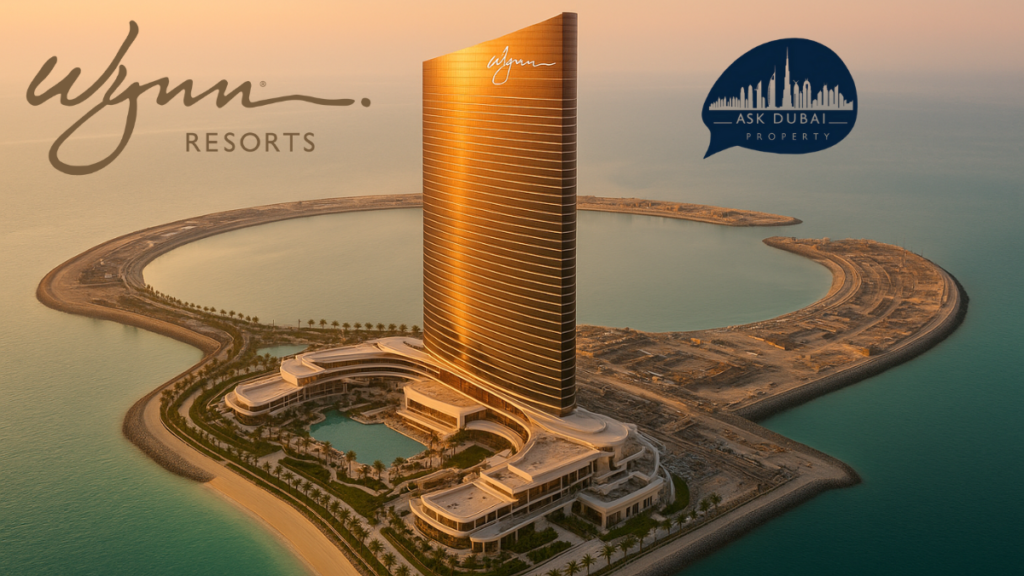
Ras Al Khaimah (RAK) has already signaled readiness through the Wynn integrated resort project, but others remain discretionary.
10. What protections exist for players under the GCGRA?
The regulatory framework includes world-class safeguards:
Self-exclusion programs
Deposit, wager, and time limits
Reality checks & session reminders
Transparent odds and risk warnings
Mandatory responsible gaming staff
Biennial audits
AML/CFT compliance
Age verification & identity protection
These align with best practices from Singapore, Nevada, and Macau.
11. Why did the UAE establish the GCGRA?
Key strategic motivations include:
Economic diversification beyond oil
Tourism expansion via integrated resorts
Global competitiveness with Singapore & Macau
Job creation in hospitality, technology & operations
Regulated environments to prevent illegal gambling
Long-term nation branding as a modern hub
The GCGRA marks a controlled, progressive shift into a high-value global industry.
12. Is the GCGRA currently issuing licenses?
The GCGRA is moving deliberately and selectively.
Chairman Jim Murren confirmed that the authority is currently focused on the operators already licensed and expanding only after systems and frameworks mature.
This ensures quality, stability, and social responsibility.